


Congratulations on the birth of your baby! Having a baby is a special moment in our lives. Is there anything more precious or move more vulnerable than a newborn? This is also a time of worry, a time of parental insecurities. What if something goes wrong? But relax, love, and enjoy your baby. Before long …
The post Newborn instructions appeared first on Verras Pediatrics.

Comfort Babies are most comfortable if the room temperature is 70 to 74 degrees. Do not overdress your baby. Wash all new clothing and sheets before using. Clothing should be loose-fitting, lightweight, and soft textured. Babies born during this summer may be taken outside on a nice day after they are weak cold period babies …
The post Baby Care appeared first on Verras Pediatrics.
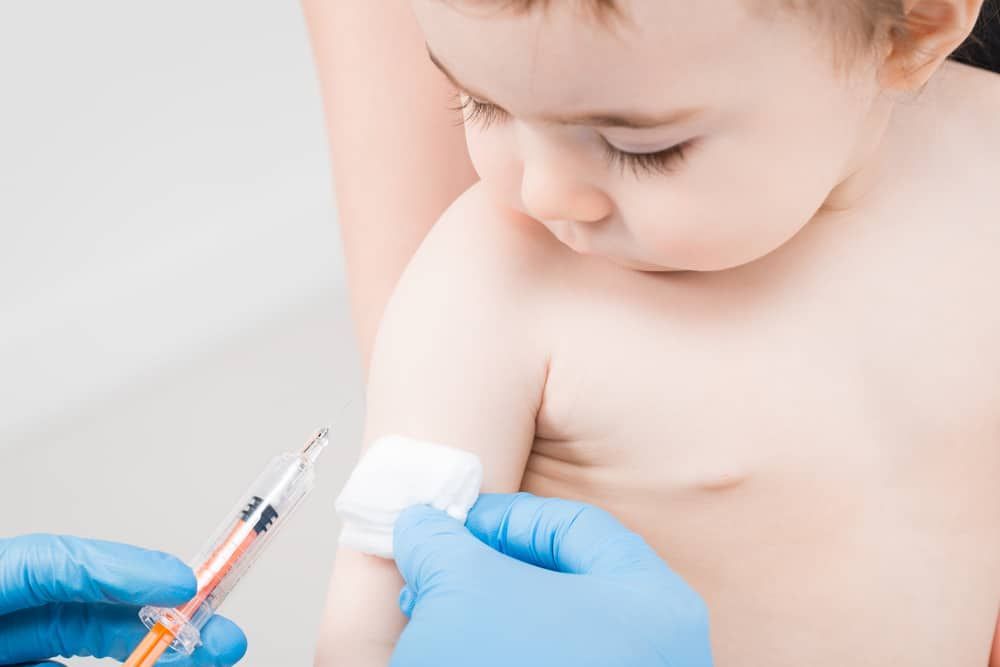
Age Immunization 1 month Hep B 2 months DPT, Polio, HibCV, Prevnar, Rotavirus 4 months DPT, Polio, HibCV, Prevnar, Rotavirus 6 months DPT, HibCV, Prevnar, Rotavirus, Hep B 12 months Varivax, MMR, Prevnar, Hep A 15 months HibCV 18 months DPT, Polio, Hep A 4-6 years DPT, Polio, Varivax, MMR 11 years Tdap, MCV, HPV …
The post Immunization Schedule appeared first on Verras Pediatrics.
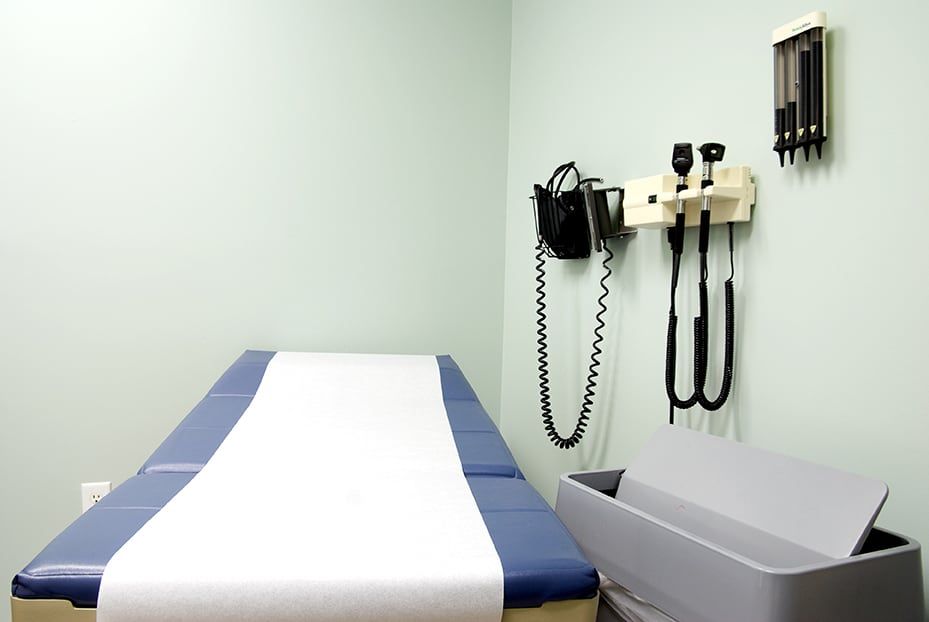
Well-baby checkups in the office begin at one week of age the next scheduled visits are at 1 month, 2 months, 4 months, 6 months, 9 months, 12 months, 15 months, 18 months, 24 months, and 30 months. After the third-year examination, we recommend annual physical examinations. We believe that each day in a child’s …
The post Well visit check ups appeared first on Verras Pediatrics.